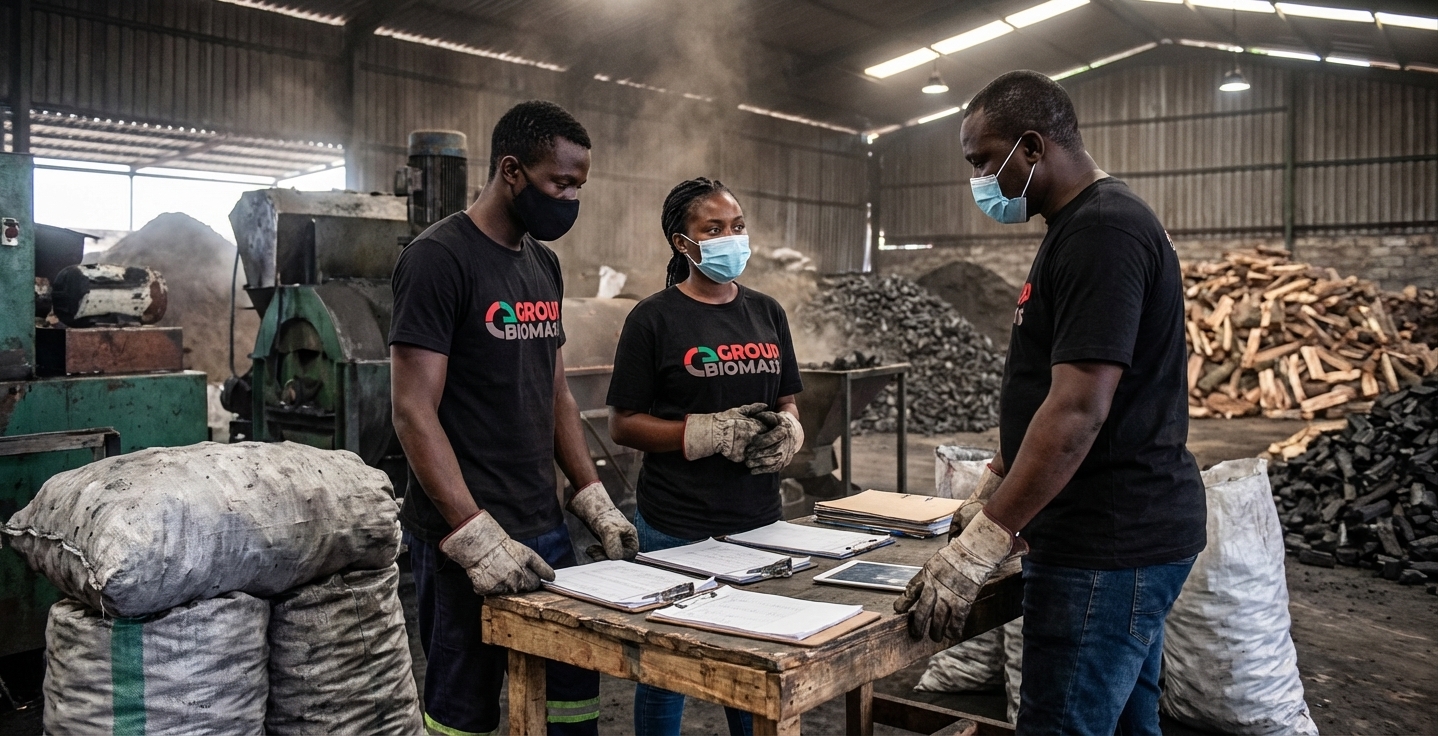
Deep within Cameroon , a massive facility stands as a symbol to the rising demand for charcoal . This industrial complex, reportedly the nation’s biggest wood plant , is raising attention for both its size and the potential environmental consequences . While offering livelihoods for regional communities, the operation’s processes are prompting concerns about sustainable forest harvesting and the overall preservation of the country's woodlands .
Premium Briquet Carbon Export Boom: The Promising Player
Cameroon is seeing a significant surge in hardwood lump carbon sales, positioning itself as a important source in the global industry. Driven by expanding demand from the United States and Asian markets, the nation’s production of this renewable fuel is rapidly expanding, offering promising opportunities for local communities and boosting the country's economy. The focus on sustainably sourced wood granulated carbon is demonstrating to be a essential factor in securing global buyers.
Inside Cameroon’s Hardwood Lump Charcoal Factory: Production & Sustainability
Stepping across a typical Cameroon hardwood lump fuel factory shows a rather straightforward method of manufacturing. Untreated wood, often obtained from sustainable forests, are meticulously felled and transported to a furnace. Inside, the lumber is carefully burned with restricted oxygen, a method that converts it to granular charcoal. Although the traditional methods applied can be labor-intensive, increasingly contemporary factories are integrating better processes and pursuing methods to enhance their efficiency and environmental conservation. This encompasses investing in renewable power and introducing thorough scrap handling strategies.
The Lump Charcoal Trade : A Significant Contributor in International Shipments
Despite mounting environmental anxieties, Cameroon’s charcoal sector remains a surprising yet vital player in the global shipment market . The creation of charcoal from forest biomass is a essential source of income for countless of the nation's communities, particularly in rural zones. This practice generates a substantial amount of charcoal heading for foreign destinations , often providing heating needs in other countries , though this need creates difficulties relating to woodland depletion and eco-friendly woodland stewardship .
La Entre Charbon En Bloc de Bois et Des Briquettes Une Perspective Camerounaise
En Cameroun, , le sélection face à un charbon de bois dur en bloc et les combustibles pose une matière. Traditionnellement, , le charbon de bois a toujours été préféré en son goût typique et sa aptitude à donner une chaleur élevée , idéale pour la rôtisseries locales . Toutefois, des briquettes , davantage faciles de acquérir et moins abordables, gagnent à popularité , surtout dans les zones urbaines .
Green Charcoal Production : The Future of Cameroon's Timber Industry
The current method of charcoal production in Cameroon presents a serious problem to its valuable hardwood timberlands. However, new sustainable techniques offer a hopeful path forward. These include technologies like biomass waste conversion and improved earth systems, which lessen deforestation, cut emissions, and provide livelihood opportunities for local villagers. Embracing read more these sustainable methods is critical to safeguarding Cameroon's precious heritage and securing the long-term future of its hardwood industry while mitigating climate change .